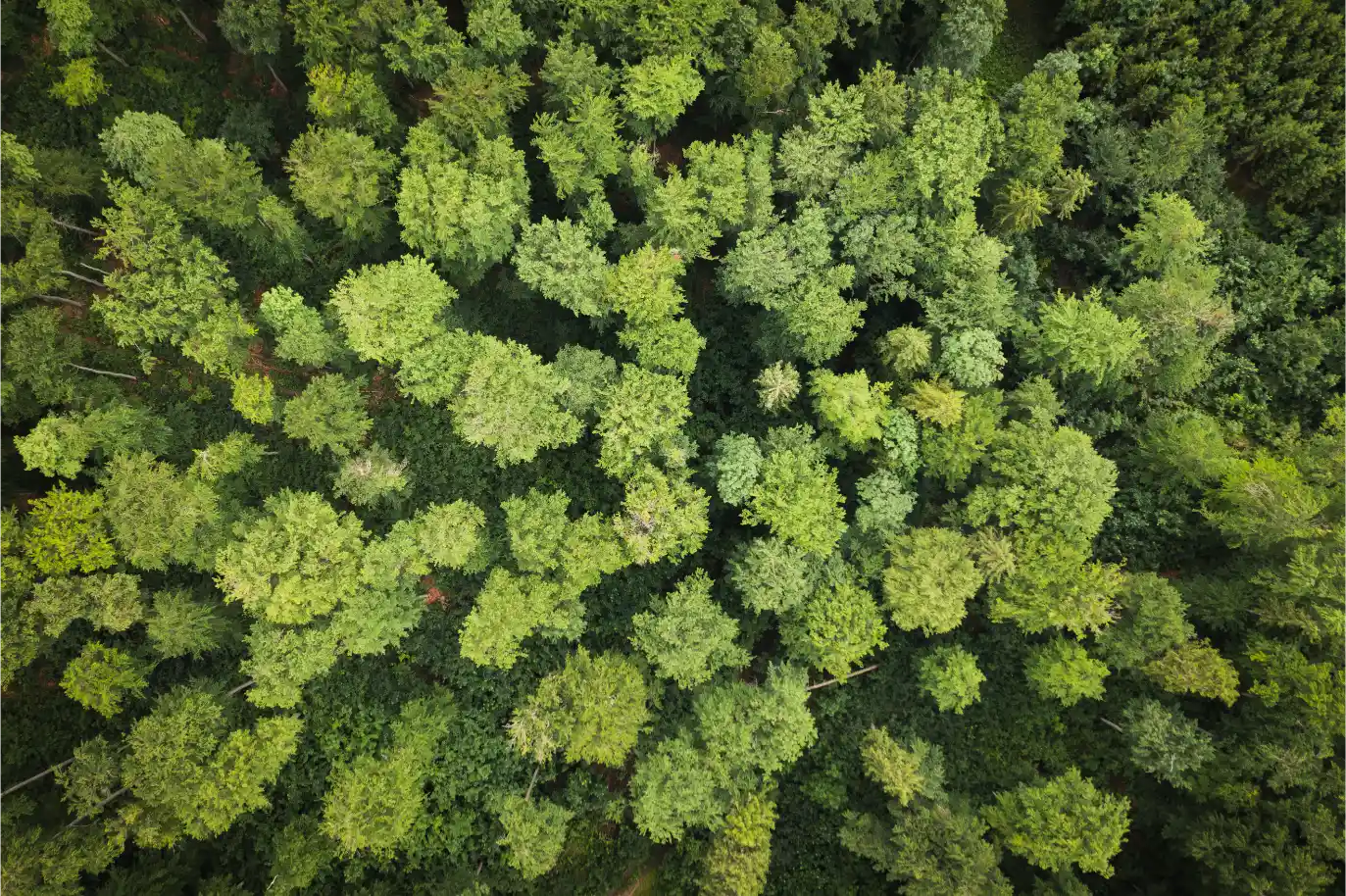


As a competition where students can share their take on addressing global challenges such as air pollution, extreme weather, food security, biodiversity loss, and water scarcity, the Oxford Saïd Global Climate Tech Challenge is perfect for high school students who are not only passionate about science, technology, and the environment but are also looking to apply their knowledge to contribute a positive impact in the field.
If you’re a student with an innovative idea to share to the world, then the University of Oxford’s challenge may be for you. In this guide, we’ll walk you through everything you need to know about the Oxford Saïd Global Climate Tech Challenge, from choosing a topic to building a winning submission.
Unlock Your Writing Potential: Students in Our Writing Competition Preparation Class Are More Likely to Secure Awards
1. What Is the Oxford Saïd Global Climate Tech Challenge?
The Oxford Saïd Global Climate Tech Challenge is a global innovation competition for high school students, organized by the Saïd Business School of the University of Oxford.
The competition encourages students and teachers from around the world to harness the power of technology in addressing the climate crisis. The goals of the competition are to:
- Encourage innovative thinking
- Raise awareness about climate change
- Promote the development of technological solutions with positive environmental impacts
- Provide young people with opportunities to contribute ideas for the future of our planet
With the overarching theme “Big Challenges, Bold Ideas,” the competition invites students to propose bold, creative ideas and apply technology to tackle urgent environmental issues.
2. Eligibility and Participation Requirements for the Oxford Saïd Global Climate Tech Challenge
Eligibility
The competition is divided between two categories:
- Student Category: Open to students aged 15–18 in teams of 3–5 members.
- Teacher Category: Teachers must participate individually, and their submission should consist of a lesson plan related to climate change.
In this article, we will mainly focus on the student category, which is the section most relevant to readers.
Competition Themes
Participating teams must choose and develop a technology-based solution to one of the following five global challenges:
- Air pollution
- Extreme weather events
- Food security
- Biodiversity
- Water scarcity
Submission Requirements
To qualify, a complete submission must include the following:
- PowerPoint Presentation: Maximum 10 slides, saved as a PDF file under 10MB
- Presentation Video: Maximum 3 minutes
- Consent Form: Each student must submit a consent form signed by a parent or guardian
Submission Timeline
- Submission opens: December 1, 2025
- Submission deadline: August 17, 2026
Students are encouraged to begin preparing at least 2–3 months before the deadline to allow sufficient time for research and refining their project.
78% of Aralia Students Win Prizes in the John Locke Essay Competition
3. Awards
The most attractive aspect of this competition is the opportunity to experience the academic environment at Oxford. The top five student teams will be invited to present their ideas in person at Saïd Business School, University of Oxford, in October 2026, with all travel and accommodation expenses fully covered.
Award Categories include:
Top Prize: The winning team will receive a full scholarship to attend the Future Climate Innovators Summer School at Oxford (2027), along with an exciting opportunity to learn directly from leading scholars at the University of Oxford.
Finalist Award:
All finalist teams will receive:
- A fully funded trip to Oxford
- The opportunity to present their ideas in person at Saïd Business School
Participation Award
All students with valid submissions will receive a Certificate of Participation from Saïd Business School, University of Oxford.
4. How Competitive Is the Oxford Saïd Global Climate Tech Challenge? Why Should Students Participate?
In 2025, there were 1,600 submissions from 75 countries for the Oxford Saïd Climate Tech Challenge. Among them, five student teams and six teachers were recognized with awards. The overall finalist rate was around 2%, making it highly competitive and prestigious, taking into account the number of winning students and teachers in the challenge.
Beyond its prestige, participating in the Oxford Saïd Climate Tech Challenge offers students several benefits:
- Enhanced knowledge of environment and technology: Students will be able to explore topics such as climate change, green technology, and sustainable development in greater depth.
- Development of important academic skills: The competition helps students strengthen key skills such as research, problem analysis, teamwork, presentation, and video production. These skills also serve as assets in a student’s future professional career as much as they help with a student’s academic pursuits.
- Connection with talented students from around the world: Participants can meet peers from different countries and gain new perspectives on global challenges.
- Experience the University of Oxford: For many students, visiting Oxford and presenting their ideas at Saïd Business School is an unforgettable academic milestone and the opportunity to see another country is a learning experience in itself.
- Strengthen university applications: Prestigious and competitive competitions such as the Oxford Saïd Climate Tech Challenge are often highly valued in university applications, especially for students planning to apply to the world’s top universities. Whether as a participant or as a winner, it demonstrates a student’s capacity for innovation and readiness for higher learning.
5. How Can Students Participate in the Oxford Saïd Global Climate Tech Challenge?
To develop a compelling submission, students need to select a suitable topic, develop a technology-driven idea, and present their solution clearly and persuasively. The judges especially encourage bold and creative ideas, whether they improve existing solutions or introduce entirely novel approaches.
Step 1: Choose a Topic
Teams must select one of the 5 global climate change challenges and develop their idea around it. The key is for teams to identify a specific problem then be able to propose a feasible technological solution.
Here are the key challenges that students can choose from:
- Air Pollution: Pollution from transportation and industry has serious consequences against human health and ecosystems. Students can develop ideas such as real-time air-quality monitoring systems, urban air-purification technologies, or solutions to reduce pollution in schools and communities.
- Extreme Weather Events: Storms, floods, droughts, wildfires, and heatwaves are occurring more frequently. To combat these or mitigate the risks these events present, potential solutions may include early disaster prediction systems, community warning tools, or technologies that help vulnerable areas adapt and recover more quickly.
- Food Security: Climate change is a threat to the global food supply. Teams can explore smart agriculture, technologies that optimize food production under changing environmental conditions, or more efficient and sustainable food distribution systems that can be useful especially in vulnerable communities.
- Biodiversity: Rapid habitat loss and the risk of species extinction are increasing in alarming rates and demand urgent, scalable solutions. Projects may focus on satellite-based monitoring ecosystems, community-led conservation platforms, or techs that restore habitats and track biodiversity in real time.
- Water Scarcity: Climate change is causing many regions to face droughts or floods that disrupt livelihood and sustainability. Students may propose decentralized water solutions such as rainwater harvesting and recycling systems, smart irrigation technologies, or low-cost clean water solutions for water-scarce communities.
Step 2: Develop the Presentation
The submission must be presented as a PowerPoint with a maximum of 10 slides, so organizing the content in a clear, logical structure is of high importance.
An effective presentation structure may include the following fundamental elements:

- Introduction: Introduce the topic and the context of the issue.
- Problem: Clearly analyze the specific problem the team aims to address.
- Your Idea: Present the team’s technological solution.
- Why It Works: Explain why the solution is effective, feasible, and potentially an improvement from current and existing remedies.
- Conclusion: Summarize the idea and highlight the positive impact of the solution.
When designing the slides, students should:
- Use images, charts, diagrams, or illustrations properly to explain the idea. Use labels, as applicable
- Keep the content concise and easy to understand, avoiding too much text
- Highlight the key aspects of the proposed solution
- Clearly define the roles of each team member
- Keep the design cohesive, and easy to follow, not overpowering the substance of the idea behind the presentation
A strong presentation not only demonstrates a creative idea but also reflects the team’s collaboration and logical thinking.
Step 3: Create the Submission Video
In addition to the PowerPoint presentation, teams must also prepare a video of up to 3 minutes to introduce their idea. The video should complement the presentation and help the judges better understand the team’s solution. This is your chance to make a strong first impression and help judges instantly grasp what sets your idea apart.
When creating the video, students should remember to:
- Keep the video concise and within 3 minutes
- Speak clearly and confidently
- Use natural language
- Show enthusiasm and teamwork
This is also where creativity matters. For example, they can use animations or visualizations, draw diagrams or models of the solution, interview team members, or demonstrate how your solution works in practice. A well-crafted video doesn’t just explain—it engages. When your message is clear, and your delivery is engaging, your team’s idea will be more vivid and memorable to the judges.
6. How to Win the Oxford Saïd Global Climate Tech Challenge
Research and Understand Climate Change
Climate change is one of the most urgent global challenges today and the central focus of this competition. To develop a strong project idea, students should first build a solid understanding of climate change: its causes, impacts, and long-term consequences. It is equally important to examine existing solutions and identify any gaps or challenges that continue to hold our planet back from thriving. This is also where you will insert your idea.
From there, the goal is to move beyond awareness and into application. Students should explore how technology, whether through renewable energy, sustainable materials, or improved systems, can be used to create real-world solutions. The key objective of the competition is not only to address climate-related problems, but also to question current approaches and design responses that directly address those unmet needs.
After developing a general understanding of climate change, students can then narrow down to how it affects specific places, such as the region where they live, locations they have visited, or areas they are particularly interested in.
Whenever possible, students may also consider going beyond online research and conducting field observations, visiting locations affected by climate change, and directly observing the challenges communities face. This hands-on approach can help students gain a clearer and more practical understanding of the problem they aim to solve, lending a unique perspective than others who might be relying on virtual resources alone.
Students may also refer to the following resources to support their research:
Understand the Judging Criteria
Submissions will be evaluated by an international panel of judges, including experts in business, healthcare, and climate solutions. Therefore, to increase their chances of success, students should design their projects with the competition’s evaluation criteria in mind.
The main criteria include:
- Clarity and specificity of the identified problem
- Depth of research and analysis
- Creativity and innovation of the idea
- Feasibility of implementing the solution
- Potential impact and scalability of the solution
- Clarity and effectiveness in presenting and communicating the idea
- Teamwork and collaboration
- Ethical considerations and broader social impact
- Sustainability and long-term effectiveness of the solution
- Overall impression of professionalism, enthusiasm, and commitment from the team
When developing their submission, students should focus not only on creative ideas, but also on practicality, real-world applicability, and long-term impact. Teams should also pay close attention to presentation quality, ensuring that their project is communicated clearly and effectively.
Review Winning Projects from Previous Years
One of the effective ways to prepare a winning submission is to study the winning projects from previous years. To understand the competition’s standards is to study what is novel, innovative, and insightful about the ideas of past winners. These submissions not only help students visualize how ideas can be presented but also provide valuable inspiration for developing new solutions.
All winning teams are recognized on the website of Saïd Business School at the University of Oxford, including:
When reviewing these projects, focus on how teams use data, evidence, and clear reasoning to demonstrate the effectiveness of their solutions. Many strong submissions strengthen their arguments through methods such as experimental research, case studies, or computational modeling to show that their solutions work. These elements can make a submission more convincing and stand out to the judges.
The Oxford Saïd Climate Tech Challenge is not only a prestigious international academic competition, but it is also a valuable opportunity for students to develop creative thinking, tackle real-world global challenges, strengthen research and presentation skills, and connect with a global community. More important than the prestige it provides, the competition helps bring out valuable skills among students and future leaders by encouraging them to become innovators at the intersection of climate and technology, helping to shape a more sustainable future for our planet.
Oxford Saïd Climate Tech Challenge Preparation Course at Aralia
If you’re aiming to stand out in the Oxford Saïd Climate Tech Challenge, preparation can make all the difference, and you don’t have to figure it out on your own. Aralia Education offers a specialized course to help you develop a strong, competitive submission.
During the specialized course, you will learn how to:
- Research topics related to climate change and environmental technology
- Develop creative and feasible solution ideas
- Build a PowerPoint presentation aligned with the competition standards
- Prepare an idea introduction video and practice presentation skills

Oxford Saïd Global Climate Tech Challenge Preparation
The Oxford Saïd Global Climate Tech Challenge Preparation class prepares students for this highly competitive international STEM innovation competition, which requires them to combine scientific research, technological creativity, feasibility analysis, and professional presentation skills.