

Aerospace Engineering, Computer Science, and Robotics are all high-demand STEM fields that offer strong career opportunities. However, each has a distinct academic focus and requires different skill sets. This article helps students understand the key differences among the three majors. It also provides guidance on relevant courses, projects, and extracurricular activities that middle and high school students can start exploring to build a strong academic foundation and a competitive college application.
Many students assume that Robotics is simply about building robots, Computer Science is learning how to code, or Aerospace Engineering is for those interested in designing airplanes. In reality, each field is much broader and overlaps significantly with the others.
Aerospace Engineering
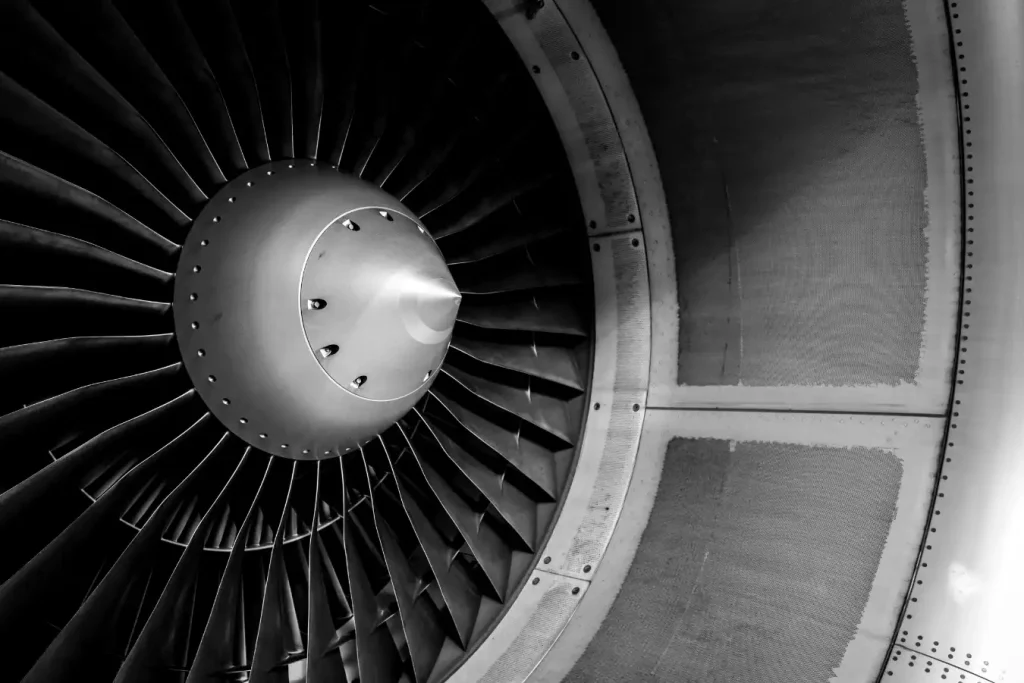
Aerospace Engineering is the field that studies, designs, develops, and tests vehicles that operate within Earth’s atmosphere as well as in outer space. This discipline is behind the development of commercial airplanes, fighter jets, rockets, satellites, spacecraft, drones, and many modern flight control systems.
An aerospace engineer calculates structural strength, optimizes engine performance, ensures flight stability, and solves a wide range of complex engineering problems related to materials, aerodynamics, and control systems.
85% of Aralia Students Place in Top Writing Competitions
What Do You Study in Aerospace Engineering?
Aerospace Engineering is a highly science-intensive field that builds on a strong foundation in mathematics and the natural sciences. It integrates multiple disciplines, including physics, mathematics, mechanical engineering, materials science, and control systems.
- Aerodynamics
- Flight Mechanics
- Propulsion
- Orbital Mechanics
- Aircraft Structures
- Fluid Dynamics
In addition to coursework, students also gain hands-on experience using engineering simulation software, CAD design tools, and project-based learning through model design and testing.
Career Outcomes
Graduates can pursue a wide range of careers, including Aircraft Engineer, Spacecraft Engineer, Satellite Engineer, Flight Test Engineer, and Aerospace Systems Engineer. Beyond traditional aerospace and aviation companies, graduates may also work in defense, drone technology, energy, automotive industries, and other high-tech engineering sectors.
Computer Science
Computer Science is fundamentally the study of how computers process information, how algorithms are designed, and how complex software systems are built to solve real-world problems. Many technologies we use every day, such as ChatGPT, Google Search, social media platforms, self-driving cars, digital banking, and e-commerce systems, are all built on the foundations of Computer Science.
What Do You Study in Computer Science?
A Computer Science program provides a strong foundation in programming, algorithms, data structures, databases, operating systems, and software engineering. Students also explore rapidly growing areas such as artificial intelligence (AI), machine learning, and cybersecurity.
At many universities, students can choose to specialize in areas such as AI, Data Science, Computer Vision, Cybersecurity, or Human-Computer Interaction, depending on their academic and career interests.
Career Outcomes
Computer Science is one of the most versatile fields in today’s job market. After graduation, students can pursue a wide range of roles, including:
- Software Engineer
- AI Engineer
- Machine Learning Engineer
- Data Scientist
- Cybersecurity Engineer
- Cloud Engineer
Beyond major tech companies, Computer Science graduates can also work across industries such as finance, banking, healthcare, education, manufacturing, energy, e-commerce, or even launch their own tech startups.

Robotics
Robotics is an interdisciplinary field that integrates knowledge from multiple branches of engineering to create systems capable of sensing their environment, making decisions, and performing actions.
A modern robot requires mechanical components for movement, sensors to collect data, a control system to process information, and AI-powered software to recognize environments or learn from data. Robotics combines Mechanical Engineering, Electrical Engineering, Computer Science, Artificial Intelligence, and Control Systems to design and develop intelligent robotic systems.
What Do You Study in Robotics?
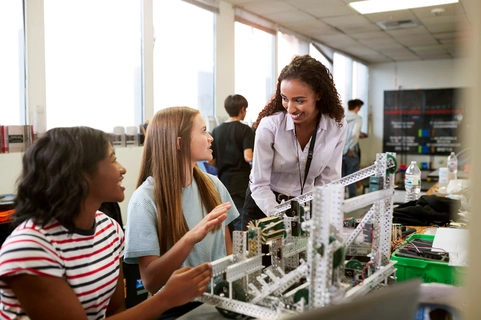
A Robotics program typically covers embedded systems, sensors, computer vision, robot programming, automation, mechatronics, and robot control. In addition, students are often involved in hands-on projects where they design, build, and program robots.
Career Outcomes
Common career paths for Robotics graduates include:
- Robotics Engineer
- Automation Engineer
- Autonomous Vehicle Engineer
- Manufacturing Engineer
The demand for robotics professionals is growing rapidly, especially in areas such as smart manufacturing, logistics, healthcare, agriculture, warehousing, and autonomous systems.

Learn Computer Science with Expert Instructors
Which Field Should You Choose?
There is no single best STEM major. Each field has its own strengths and is suited to different interests, abilities, and long-term career goals. Instead of choosing based on trends or potential salaries, students should take time to explore themselves and identify the field that truly aligns with their passions and strengths.
- You may consider Aerospace Engineering if you enjoy mathematics and physics, are fascinated by airplanes, rockets, and space exploration, and are interested in designing aerospace systems or solving large-scale engineering problems.
- You may consider Computer Science if you enjoy programming, logical thinking, artificial intelligence (AI), and want to build software, applications, or technologies that can create impact at a large scale.
- You may consider Robotics if you are interested in combining programming, mechanics, and electronics to build intelligent systems such as industrial robots, drones, medical robots, or autonomous vehicles.
Regardless of the field you choose, what matters most is starting early exploration through coursework, personal projects, research experiences, and STEM competitions. These experiences not only help students better understand their interests and strengths but also contribute to building a strong and competitive profile for college applications.
Can You Study One Major but Work in Another Field?
Absolutely yes. With today’s rapid technological development, the boundaries between STEM fields are becoming increasingly blurred. A software engineer may develop AI systems for robots; an aerospace engineer may work on autonomous flight control systems; and robotics engineers often rely heavily on both artificial intelligence and computer science.
Here are some common examples:
- Computer Science students moving into Robotics to develop autonomous or industrial robots
- Mechanical Engineering students learning AI and control systems to become Robotics Engineers
- Aerospace Engineering students working on AI systems for drones or satellite technologies
- Computer Science graduates contributing to aerospace projects involving flight simulation, control systems, or satellite data processing
- Robotics students working on drones, self-driving vehicles, and automation systems
This interdisciplinary nature is also why many universities encourage students to pursue cross-disciplinary study or take elective courses in areas such as AI, Robotics, and Data Science.
What Should Middle and High School Students Start Preparing Now?
If you are planning to pursue STEM majors, you can start building a strong foundation in academic subjects, participating in hands-on projects, and engaging in extracurricular activities, which can help you better understand your strengths, develop essential skills, and create a standout college application profile.
If You Are Interested in Aerospace Engineering
Focus on building a strong foundation in mathematics and physics, while also becoming familiar with design and engineering tools such as CAD, Arduino, and basic control systems. Beyond classroom learning, students can expand their experience through:
- Participating in model rocket competitions
- Designing and programming drones
- Creating simulations of satellite orbits or flight systems
- Exploring aerodynamics, aviation, and space technology topics
- Joining STEM clubs or aerospace-related research programs
These activities help students better understand the core nature of aerospace engineering while developing technical thinking and problem-solving skills for complex engineering challenges.
If You Are Interested in Computer Science
Students should begin with widely used programming languages such as Python or C++, while also exploring algorithms, data structures, artificial intelligence (AI), and data science. Once a foundation is built, it is important to apply knowledge through projects and competitions such as:
- Participating in programming competitions such as the American Computer Science League (ACSL)
- Building websites, applications, or personal games
- Joining AI, data science competitions, or hackathons for students
- Contributing to open-source projects or conducting independent research in computer science or AI
These experiences not only strengthen coding skills but also demonstrate creativity and problem-solving ability.
If You Are Interested in Robotics
Robotics requires a combination of programming and engineering, so students should become familiar with platforms such as Arduino, Raspberry Pi, LEGO Robotics, CAD, and embedded programming. At the same time, students should actively participate in hands-on activities such as:
- Designing and programming simple robots
- Building autonomous robots using Arduino or Raspberry Pi
- Joining competitions such as FIRST LEGO League (FLL), FIRST Tech Challenge (FTC), or VEX Robotics Competition
- Developing projects involving drones, industrial robots, or self-driving vehicles
Through these projects and competitions, students can develop essential skills in design, programming, teamwork, project management, and interdisciplinary thinking.
No matter what you choose, starting early and actively exploring the field will help you gain a more realistic understanding of your interests. More importantly, personal projects, achievements in STEM competitions, and research experiences can significantly strengthen your college application profile while also giving you greater confidence in making decisions about your academic and career path.
Read more:
How Aralia Can Help Strengthen Your College Application
In the college application process, strong academic performance and meaningful extracurricular achievements can make a significant difference. Aralia’s AP and IB preparation courses are designed to help students master advanced content, improve their GPAs, and build the confidence they need to succeed in upper high school years, especially in Grade 12.
If you are looking to strengthen your application through impactful writing or competitive achievements, Aralia’s writing competition preparation programs can guide you in high-level academic contests. These programs help students develop a strong writing portfolio, stand out in competitive academic environments, and, in some cases, even earn awards or publication opportunities.