Getting Started in High School

AdobeStock 122771563

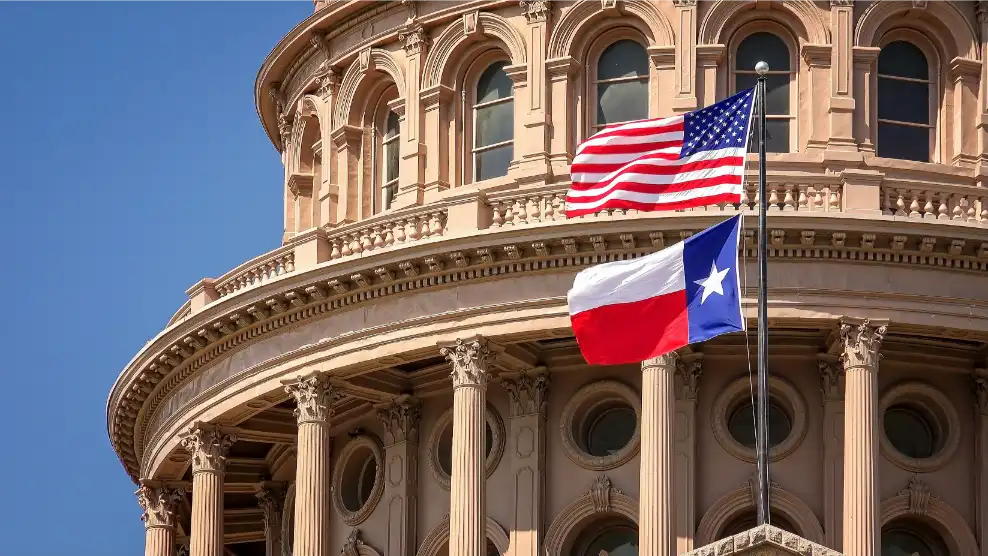
U.S. Gov, Politics, Business, and Events

Students will learn important terminology and concepts and how these apply to the political process in the U.S. Students will learn basics about the U.S. Constitution, the relationship between the national government and the state governments; the three branches of the national government; the role of political parties, the media, and big business/corporations; lobbying, the role of money in politics, especially in electoral campaigns.

U.S. Gov, Politics, Business, and Events Read More »

Public Speaking and Debate

Public Speaking and Debate

This Public Speaking and Debate class will offer the opportunity to speak and listen to others talk only as much as possible. We will alternate between learning the structure of different types of speeches and making presentations by one student to the rest of the class. After each speech by students, we will have a critique from the peers, and the teacher. They will also be required and coached on how to participate in the discussion and to critique their peers.

Public Speaking and Debate Read More »

Introduction to Psychology

Introduction to Psychology

This course is an introduction to Psychology – what many describe as the science of the mind and behavior, concerned with how and why human beings do what they do. In some ways, this course is like a tasting menu at a fancy restaurant – you get the opportunity to try various aspects of various disciplines of this fascinating science and see which one(s) excites you. This course allows you to learn the basics in each of the major branches of psychology today.

Introduction to Psychology Read More »

Introduction to Economics

Introduction to Economics

This course is designed to give students a basic understanding of the fundamentals of Economics. Of all subjects learned in the secondary setting, the fundamental principles of economics are essential. Students will apply economic principles to everyday scenarios during this course. They instructor will assist students to think economically and make rational decisions.

Introduction to Economics Read More »

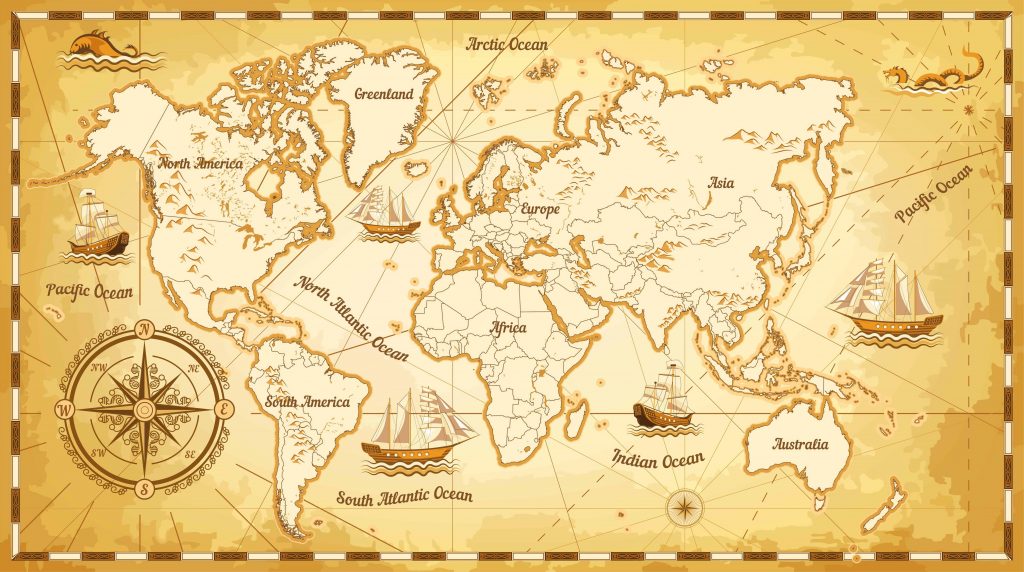
international relations

International Relations

This course is a survey of a wide range of topics in international relations. The course will cover several widely used theories that explain recurring patterns in international relations, including Liberalism, Realism, Marxism, and Constructivism. The course will introduce institutions that have been pillars of the world order since World War II, such as the United Nations, the Bretton Woods monetary system, and the world trading system.

International Relations Read More »

Scroll to Top