

This article explores two common options for studying high school in the U.S.: boarding schools and day schools. It breaks down the key features, advantages, and drawbacks of each, helping students and families better understand differences in living environment, student support, and costs.
Boarding schools are known for their strong academic environments, comprehensive support systems, and structured, disciplined settings. In contrast, day schools offer more flexibility in cost and greater opportunities to experience everyday American life. Based on these differences, the article provides guidance to help families choose the option that best fits a student’s personality, level of independence, and college goals.
1. What Is a Boarding School?

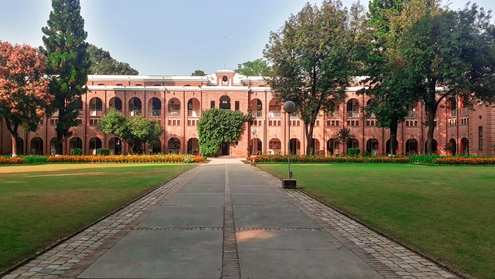
A boarding school is a residential high school where students both study and live on campus throughout the academic year. Compared to day schools, which are non-residential, this setting provides an environment where most aspects of a student’s daily life take place within the campus. Rather than commuting to school each day, boarding school students reside in campus dormitories, eat in the school’s dining hall, and take part in extracurricular activities within a close-knit community that consists of students and teachers.
This setup creates a self-contained educational ecosystem in which virtually every aspect of a student’s life is integrated into their academic environment. After classes, students typically engage in extracurricular activities such as sports, arts, academic clubs, research, and skill-building programs. Teachers and dormitory advisors live or work on campus as well, which guarantees that students receive consistent support for both their studies and other aspects of day-to-day lives beyond academics.
Some of the most well-known boarding schools in the country, like Phillips Exeter Academy, Phillips Academy Andover, and The Hotchkiss School, have been around for hundreds of years and consistently send graduates to the nation’s top universities.
Advantages of Boarding School
A highly academic environment
Most boarding schools maintain small class sizes. This encourages personalized guidance, allowing teachers to closely monitor each student’s progress. Beyond the standard curriculum, many schools offer advanced courses such as AP or Honors classes, which give students access to deeper knowledge and better preparation for college. The environment is largely built around learning, and this model usually produces students who are genuinely more equipped for the academic rigor of college.
Early development of self-reliance
Living and studying away from home pushes students to learn how to be independent and disciplined at an early age, from managing their own time and personal routines to directing their own learning.
Strong social bonds and connections
At boarding schools, students don’t just study together. They also share their daily lives beyond the classroom. As a result, friendships tend to be deeper and more enduring. Many long-established boarding schools also have powerful alumni networks, and these associations create valuable connections that serve students well beyond graduation. For example, these connections offer internship leads and job referrals even after students graduate.
Boarding schools also have a high proportion of international students, and living in a multicultural community naturally builds stronger communication skills, resilience, and a global mindset. This is an ideal setting for students who want to broaden their perspectives and form international connections.
Comprehensive support systems
Boarding schools typically offer well-rounded student support, including guidance from dormitory advisors, academic mentors, and college counselors. Outside of class, there are ample opportunities in sports, the arts, academic clubs, and research, all designed to increase students’ holistic development.
Prepare for AP Exams with AP Exam Readers
Limitations of Boarding School
Latest data from 2026 reveals that boarding school tuition fees in the U.S. now range from $60,000 to $75,000 per year, covering tuition, housing, meals, and other on-campus activities. This figure does not include additional costs such as flights, insurance, personal spending, or special extracurricular programs. For most families, this is a major financial commitment, and it’s worth having an honest family conversation about whether it’s sustainable over the long term. Starting at a boarding school but being unable to continue for the full duration of high school can be both financially and emotionally challenging, especially as education costs continue to rise each year.
High academic pressure
The most prestigious boarding schools attract exceptionally talented students from all over the world. While this creates an outstanding academic environment, it also means that the level of competition is intense. Students are expected not only to excel academically amid a demanding curriculum but also to get involved in extracurricular activities, sports, arts, and research. For students who are not yet accustomed to such a pace, the early adjustment period can be genuinely challenging and might lead to burnout in the long run.
Not ideal for students who aren’t ready to live independently
Boarding school life demands a relatively high degree of self-reliance. As mentioned earlier, students must be able to manage their own time, studies, and personal routines while adapting to a completely new environment, far from family and in a different, perhaps unfamiliar, culture. For students who are still heavily reliant on family support or who aren’t yet emotionally ready to live alone, pursuing a residential model of education at a young age can lead to feelings of isolation or emotional distress.
2. What Is a Day School?

This is the traditional and most familiar mode of learning. As a standard educational model, a day school is typically a private high school where you attend classes during the day and return home in the afternoon, the same basic structure as most schools. The main principle here is simple: you live at home with your family, commute to school, and spend your evenings in your own residence.
Well-regarded day schools like The Bishop’s School and Harvard-Westlake School offer excellent academics and strong college placement, comparable to many boarding schools, while allowing students to stay rooted in their home communities.
Advantages of Day School
Without room and board factored in, day school tuition is significantly lower than boarding school tuition. Given that you’re living at home with your family, the overall cost is considerably more manageable, freeing up resources for college, travel, tutoring, or other priorities.
For families, this may mean additional spending on food or transportation, especially for daily commuters. Still, compared with dormitory fees and other residential expenses, day school remains a more financially sustainable option.
Stay connected to your roots
Day schools offer you the benefit of keeping your existing friendships, family routines, and community ties intact. For students who are deeply involved in their communities, whether through sports leagues, religious organizations, local arts programs, or part-time work, day school makes it possible to maintain all these commitments. This can also be reassuring for parents, as it allows for closer guidance and involvement in their child’s daily life, including their safety and values.
Less academic pressure
Day school environments generally offer a clearer separation between school and personal life. After the school day ends, students return home to rest and spend time with their family, stepping entirely away from the school atmosphere. This physical boundary helps many students feel more emotionally and mentally balanced.
At the same time, the distance also requires students to be disciplined and self-motivated, since most study sessions happen independently at home, without the structured supervision often found in boarding schools.
Limitations of Day School
Less guidance for international students
One of the trade-offs of day school is that students are largely on their own once they leave campus. There are no dorm advisors to monitor study time or structured evening check-ins to keep routines in place.
This can be a good or bad thing depending on the student, as some thrive when given space and flexibility. In general, students who do well in day-school environments tend to have genuine persistence and dedication to managing their time independently.
The college counseling support may vary
In day schools, the level of individualized college counseling support varies more widely depending on the school’s resources and counselor-to-student ratio. Some schools offer highly personalized guidance, while others may provide minimal or more general support. It’s important to do comprehensive research into this for the schools you’re specifically considering.
3. Boarding School vs. Day School: A Side-by-Side Comparison
| Criteria | Boarding School | Day School |
| Living arrangement | In a dormitory on campus | At home with your family |
| Level of support | Comprehensive, near-24/7 support given by dorm advisors, teachers, and college counselors Supervised evening activities | Support from teachers and counselors is primarily during school hours |
| Independence | Encourages early independence by requiring students to take charge of their learning and daily routines | Balanced independence with consistent family support |
| Cost | High, typically $30,000–$80,000 per year | More flexible, relatively lower tuition |
| Alumni network | Generally very strong, especially at well-established schools | Varies by school; some prestigious day schools also have excellent alumni networks |
Prepare for High School with Top Educators
4. So, Which Should You Choose?

There is no universally better option between boarding school and day school. Each has its own strengths and trade-offs. What matters most is finding the environment that best suits your personality, mental readiness, and long-term goals. In the end, the “best” pick will look different for every student. Once you choose what genuinely fits you, you give yourself the strongest chance to thrive academically and prepare well for university.
Here are some questions you should carefully ask yourself before deciding:
- Have you ever lived away from your family for an extended period of time?
- How well do you manage your own time and study habits?
- What level of academic challenge suits you best: would you thrive in a more competitive environment or a more laidback one?
- How many years can your family realistically sustain this financial commitment?
- What are your university goals, and which environment will best help you achieve them?
Your answers to these questions can point you toward the environment where you’re most likely to grow and succeed.
Boarding school may suit students who are prepared for a more independent lifestyle, thrive in structured and competitive settings, and are looking for the kind of close-knit community that only comes from living with their peers.
Day school may be the better choice if you want to stay connected to your home community, need a more financially sustainable option, or simply do your best work when you have the space and comfort of home life to balance out academic demands.
Read more:
Finding the Right Fit with Aralia
Choosing between a boarding school and a day school isn’t just a decision about which school to attend; for parents, it’s a decision about how your child will live, grow, and experience their high school years. The right environment can make a tremendous difference: it will shape their academic growth, build formative life skills, and set the foundation for a strong university application.
As you make a decision, remember that the most important considerations are the student’s personality, readiness to live independently, academic goals, and your family’s long-term financial plan. When the right environment is chosen, a student’s high school years will become a defining period of growth that they will carry with them for life.
At Aralia, we help students succeed within any environment they choose. Through our expert-led classes, students build strong academic foundations, explore their interests, and develop the skills needed to stand out in the admissions process. Whether a student attends a boarding school or a day school, Aralia’s personalized learning approach ensures they are supported every step of the way.