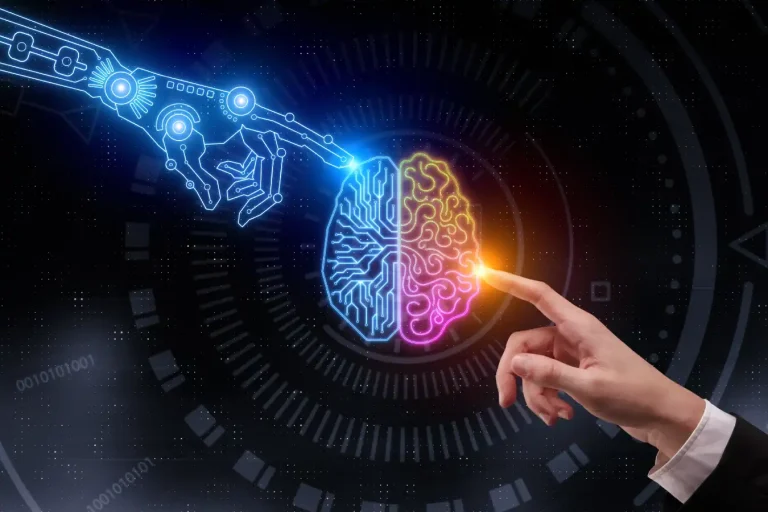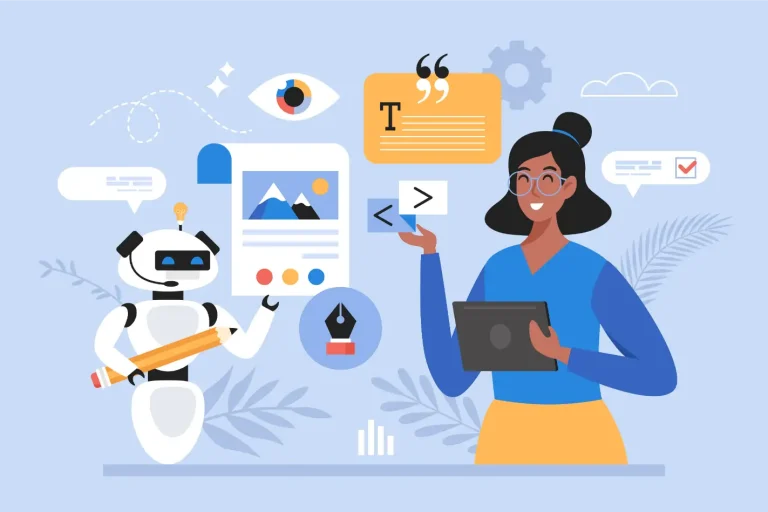

Artificial intelligence (AI) is changing education, from personalized learning and creative projects to college applications and career preparation.
This guide explores how AI can support students ethically and effectively, offering practical tips, resources, and insights for parents, teachers, and learners.
Discover how AI can enhance critical thinking, boost creativity, improve writing, and prepare students for the future while using this technology responsibly.
1. What Is AI?

AI refers to artificial intelligence, a computer system programmed to perform tasks that draw from human intelligence, such as analyzing information, recognizing patterns, generating language, and making recommendations. Using AI in education is becoming more common, as AI can be a powerful learning companion for students.
Students who understand AI gain:
- Stronger learning efficiency as AI can tailor lessons to each student’s strengths and weaknesses.
- Better preparation for college entrance and future career path
- Early exposure to critical thinking about technology
For students interested in the latest developments, exploring resources such as What Is Gemini 3: A Student Guide to Google’s Latest AI Model can provide insight into cutting-edge AI tools. Meanwhile, learning from real-world examples, such as the educational backgrounds of 8 global AI leaders, offers a perspective on the paths that have shaped today’s AI innovators.
Aralia Students Are 4x More Likely to Publish a Research Paper
2. Benefits of Using AI in Education

Contrary to common fears, AI does not weaken thinking skills. When used intentionally, it can even enhance analysis, creativity, and reflection.
Using AI to Think Deeper
AI can help students engage more thoughtfully by guiding them to:
- Ask better questions, which encourage curiosity and deeper inquiry.
- Evaluate AI-generated outputs, which teach discernment and critical assessment.
- Compare multiple perspectives, which broadens understanding of complex topics.
For practical strategies, students can explore resources such as How to Strengthen Critical Thinking Skills When Using AI Tools or discover ways to spark imagination through 5 Best Ways to Use AI to Boost Creativity and Learning in Your School Projects.
A tangible example is the New York Times Multimedia Contest: Growing Up With AI, showcasing how students creatively integrate AI into storytelling projects.
Boosting Creativity with AI
Beyond thinking skills, AI opens new doors for creative expression. Students can experiment with multiple formats, multimedia storytelling, and innovative project ideas to enhance their imagination.
Personalized Learning with AI
One of AI’s most transformative benefits is personalization. Adaptive learning platforms adjust pace, content, and difficulty based on each student’s needs—helping learners stay challenged without feeling overwhelmed. Students interested in diving deeper can read How AI Is Shaping Personalized Learning, discover Top 8 AI-Empowered Learning Apps for Students, learn to Leverage AI to Master Your Class Material, or explore How to Learn a New Language with AI.
3. How Is AI Used in School Writing?

AI Accelerates Student Learning Without Erasing Their Unique Voice
AI writing tools can be powerful companions in the classroom, helping students brainstorm ideas, structure essays, revise drafts, and improve clarity. When used responsibly, they enhance learning without replacing the student’s voice or dismantling their critical thinking.
AI Supports the Writing Process
- Idea production and outlining – sparking creativity and organizing thoughts efficiently.
- Grammar and style refinement – helping students polish their writing for clarity and readability.
- Feedback on structure and clarity – offering constructive suggestions to strengthen arguments.
Maintaining Academic Integrity and Originality
Students need to understand the difference between using AI as a learning aid and relying on it to generate content. Developing this awareness fosters both integrity and authentic skill-building.
Students looking to deepen their writing skills can explore resources such as How AI Helps Students Deepen Their Writing, 4 Ways AI Can Support Your Writing Process, or How to Keep Your Unique Writing Voice When Using AI. For guidance on ethical usage, see The Difference Between Learning with AI vs. Copying AI and How Much AI Content Is Acceptable in College Writing?.
Improve Your Grades Within One Semester
4. How Is AI Used in College Admission?

AI is altering the way students prepare their college applications and how admissions offices evaluate them. AI-powered tools can assist with tasks such as drafting essays, refining activity descriptions, and organizing application materials in a more efficient and thoughtful process.
However, responsible use is key. Misusing AI, such as submitting AI-generated content without personal input, can carry serious consequences and undermine the authenticity of an application.
Students who want to explore this further can learn How AI is Changing the College Admissions Process or discover the 7 Best AI Tools to Help with College Applications to see practical ways AI can support their preparation responsibly.
5. AI Safety, Ethics, and Data Privacy

With the rise of AI tools’ utilization, understanding digital safety and ethical use becomes increasingly urgent. Not all AI platforms handle user data in the same way, and schools are also beginning to use AI detection tools to ensure responsible use.
What Students and Parents Should Know
- How AI tools collect and store data – being aware of what information is shared and how it’s used.
- When and how schools use AI detectors – comprehending their monitoring practices and policies.
- Responsible, transparent AI use – learning to use AI ethically while maintaining academic integrity.
Essential guides for students and parents:
6. AI, Computer Science, and Future Careers
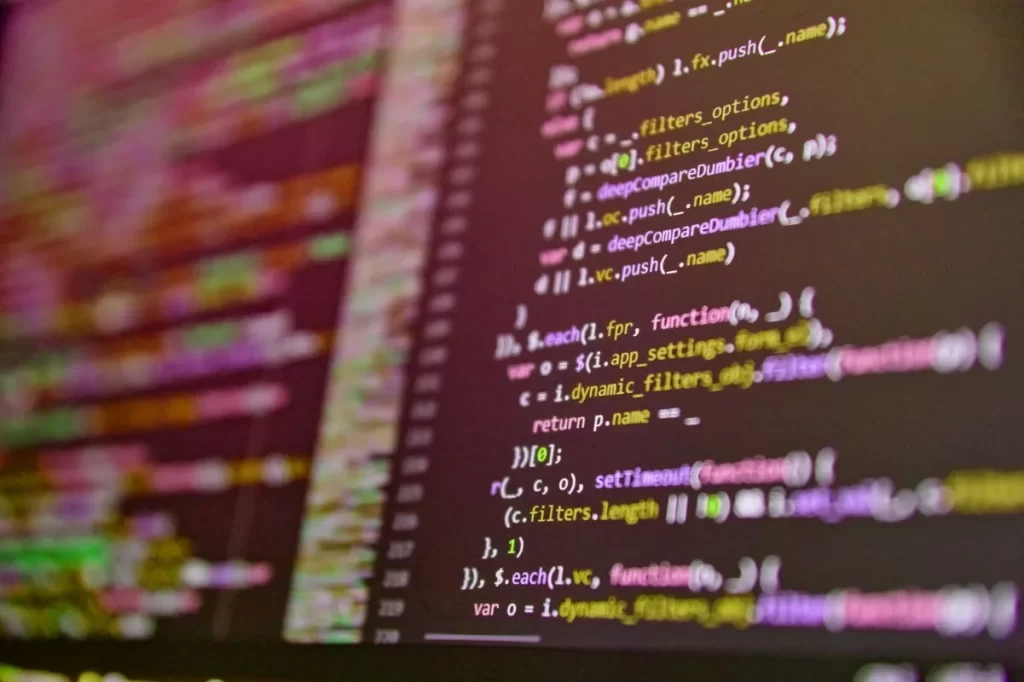
Understanding AI accompanies learning computer science. Coding builds the foundation for understanding how AI works and how to shape it responsibly.
Despite concerns about automation, students with coding and computational thinking skills remain highly valuable. These skills open doors to future-ready careers and equip learners with skills and knowledge to engage critically with AI technologies.
Career and Computer Science Resources
- Computer Science Job Market Collapse in the AI Era: Shaping the Next Generation’s Careers
- Why Every High Schooler Should Learn the Basics of Computer Science
- 5 Easiest Programming Languages to Learn
- Top 5 Reasons to Learn Python in High School
- What High Schoolers Can Do with Coding Skills
- How Can High School Students Show Achievement in Computer Science?
Learning to Code in the AI Era
AI tools can support beginners as they learn to code, offering guidance and instant feedback. However, a foundational understanding of programming concepts remains essential. Students ready to dive in can start with 6 Best Ways to Learn How to Code for High School Students or challenge themselves with 8 Coding Challenges for High School Students to build real-world skills.
Improve Your Grades Within One Semester
7. AI and Higher Education in 2026

Looking ahead, AI is already altering higher education and the skills students need to thrive. From personalized learning and AI-assisted research to evolving admissions processes, students knowledgeable about AI will be better equipped for college and future careers.
To learn more about key predictions and trends in AI and higher education, explore this guide on 5 Predictions on How AI Will Shape Higher Ed in 2026.
8. Adapt to AI with Aralia Education
At Aralia Education, we believe that AI should empower learners. Our classes are designed to help students navigate the rapidly evolving world of AI in education with confidence, integrity, and purpose.
These courses combine specialized guidance, hands-on learning, and AI-integrated projects to help students:
- Develop personalized learning strategies that enhance their strengths
- Enhance writing, coding, and critical thinking skills
- Learn to use AI responsibly and creatively
By joining Aralia classes, students develop the skills and confidence to excel academically, prepare for future careers, and engage with AI in meaningful and ethical ways.

Responsible Use of AI in Academic and English Writing
This Responsible Use of AI in Academic and English Writing course is designed to teach students how to integrate artificial intelligence (AI) tools into their academic and English writing processes responsibly, effectively, and ethically.