
Why Should Students Do an End-of-Year Reflection?
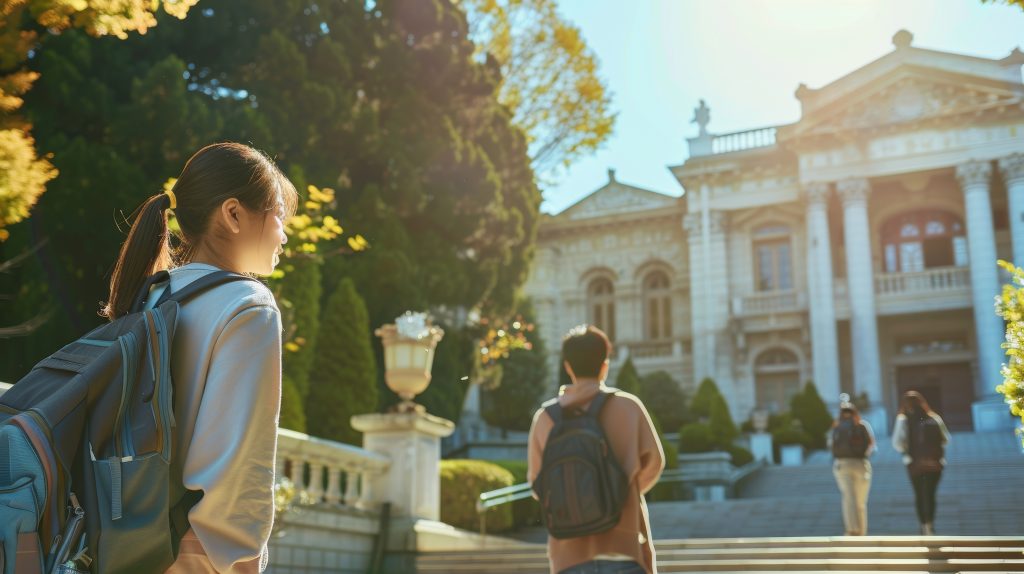
Reflection allows students to pause and make sense of their experiences. It helps them recognize their growth that may not be seen immediately in their report cards or test scores. It allows them to understand how they respond to challenges and gain clarity about who they are and what they are becoming as learners and individuals. Intentional reflection can be transformative for high school students who have rapid academic, personal, and social development. Before moving forward into another new year, reflection is important for students because:
- It builds their self-awareness: Reflection helps students understand their strengths, weaknesses, motivations, and patterns.
- It instills and strengthens a growth mindset: Reflection allows students to develop their abilities and intelligence through effort, practical strategies, and learning from their mistakes. When they look back on their experiences, students can make more informed decisions about what they want to pursue next.
Whether for journaling, guided discussions, advisory activities, or quiet self-assessments, these questions are designed to help students reflect deeply on their past year and move forward to the next year with a greater purpose.
They are organized into three phases: from recalling to a deeper analysis to a more future-oriented thinking.
85% of Aralia Students Place in Top Writing Competitions
Phase 1: Year-at-a-Glance: Major Wins and Obstacles

The goal of this Phase 1 reflection is to give the students’ brains a warm-up as they focus on the objective facts and moments that stood out in the year before diving into a deeper analysis. This phase encourages students to take a step back and glance at the year as a whole, identifying their key milestones and memorable experiences.
1. What is something you accomplished this year that you didn’t think you were capable of accomplishing last year?
In this question, they may answer: earning a good grade in a difficult subject, speaking up and reciting more in class, taking on a leadership role in a student organization, or simply staying calm amidst a stressful semester.
2. Which projects, classes, or experiences were the most meaningful to you?
The answers may be: completing a challenging research paper, delivering a performance with a lasting audience impact, advancing to the final round of a competition, or making their mark through a volunteer experience.
3. What was the most challenging moment or period that you faced in the year?
Some of these challenges may include: procrastination, academic pressure, difficulties with time management, peer conflicts, or juggling school with extracurricular commitments. Naming these moments will help students normalize their difficulties and recognize that these struggles are natural parts of their growth.
Phase 2: Learning from Challenges, Growth, and Resilience
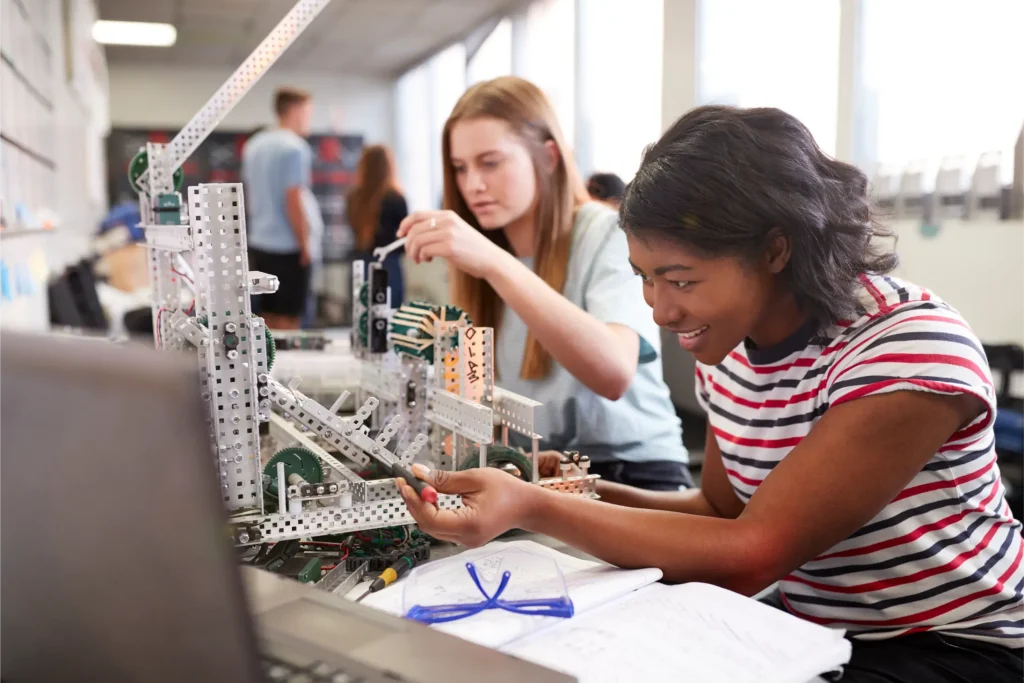
From these outstanding moments of the year, students can dive deeper and examine how they responded, adapted, and grew from each situation. Phase 2 encourages students to dive deeper and analyze their behaviors, choices, and internal responses in each decision, achievement, and challenge.
4. How did you respond to the situation when things didn’t go as planned?
When you encounter a challenge, do you ask for help, give up, or look for another strategy? This question will help students understand their default responses to stress and uncertainty. Recognizing these patterns is the first step to help them develop more effective coping strategies in the future.
5. What skills or habits did you develop to overcome challenges?
Students may identify their academic skills (e.g., note-taking during class discussions, studying more effectively using mind maps, etc.) or their personal habits (e.g., planning one month ahead, breaking tasks into smaller steps, etc.).
6. What feedback or advice helped you the most this year?
This advice may have been given by a teacher, a counselor, a coach, a peer, or a family member. Reflecting on constructive feedback helps students see their actions from a different perspective.
7. How did this year help you learn more about yourself?
Students may discover which environments they thrived in, what motivates them, how they handle pressure, or what drains their energy. These insights are especially valuable to guide students in making decisions about their future courses, extracurricular activities, and career interests.
8. Beyond academics, what “life skill” did you improve on?
Some examples may include: time management, organization, setting boundaries, stress management, self-advocacy, and teamwork. High school is a training ground not only for college, but for adulthood as well, and these skills often matter as much as their academic achievement.
Phase 3: Looking Ahead: Goals and Next Steps
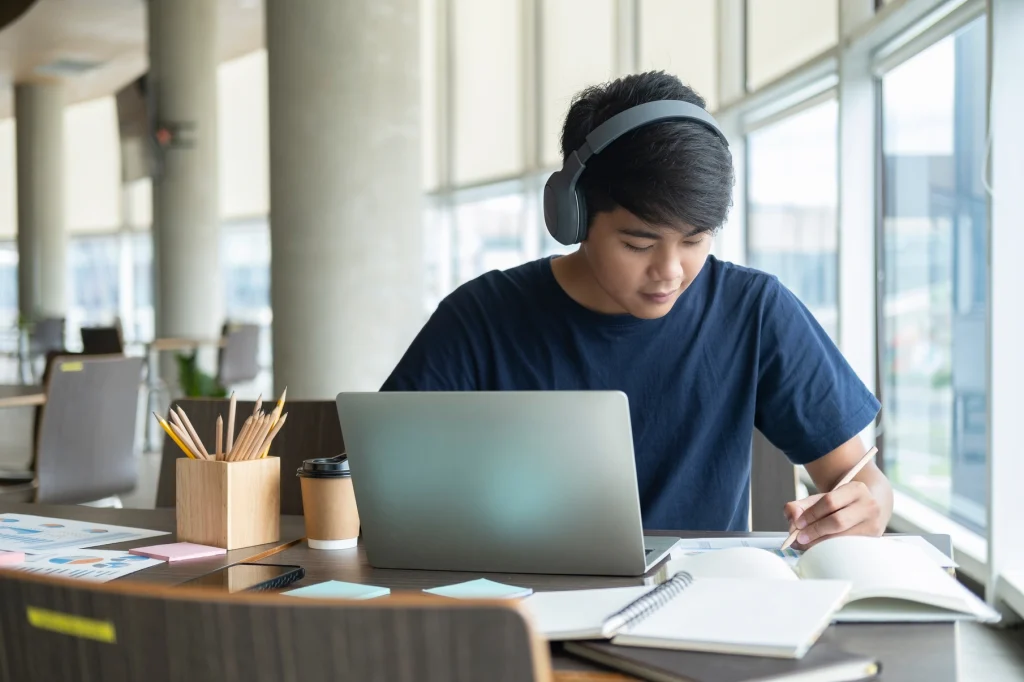
From their insightful deep dive in the second phase, students can translate this reflection into intention by connecting their past experiences to their future plans. Phase 3 helps students apply what they’ve learned about themselves to make thoughtful decisions as they move forward to another year.
9. How have your interests or goals changed over the year?
Many students enter the school year with one set of assumptions about what they enjoy or what they want to pursue, only to discover that they gain new interests along the way. Recognizing these shifts will help students remain open-minded and adaptable rather than locked into past, outdated goals.
Students may identify previous commitments that no longer serve them, habits that caused them unnecessary stress, or activities they pursued out of obligation rather than interest.
10. What is one thing that you want to do differently or improve next year?
This could involve their academic habits, extracurricular involvement, communication skills, or personal well-being.
11. Which strengths or skills do you want to build on moving forward to the next year?
Instead of focusing only on their weaknesses, this question encourages students to leverage their strong points. Building on these strengths often leads to gaining greater confidence and more sustainable growth.
12. What is one goal you want to set for next year, be it an academic goal or a personal goal?
This goal might involve their grades, leadership opportunities, creative pursuits, wellness, or new explorations. Students should be encouraged to set goals that are challenging yet realistic, with clear steps for how they plan to achieve them.
Aralia Students Are 4x More Likely to Publish a Research Paper
Turning Reflection Into Action With Aralia Education
Reflection is most powerful when it leads to taking intentional action. Once students identify their strengths, challenges, and evolving interests, the next step is for them to find the appropriate academic environment that will support their growth.
At Aralia Education, students are guided by experienced instructors from top universities and elite secondary schools. Aralia’s small-group and one-on-one classes are designed to help students turn insight into progress, whether in strengthening core academic skills, exploring new interests, or preparing for advanced coursework and competitions.